Running a small business means wearing many hats—and keeping track of every customer interaction shouldn’t be a headache. A CRM system for small business can transform chaos into clarity, helping you build stronger relationships, boost sales, and grow smarter.



What Is a CRM System for Small Business?

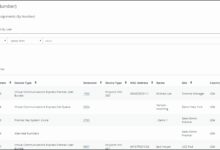
A Customer Relationship Management (CRM) system is a software tool designed to help businesses manage all interactions with current and potential customers. For small businesses, this means organizing contacts, tracking sales, automating marketing, and improving customer service—all from one central platform.
Core Functions of a Small Business CRM
At its heart, a CRM system for small business streamlines operations by centralizing customer data. Key functions include contact management, lead tracking, sales pipeline monitoring, email integration, and task automation.
- Store customer details like names, emails, purchase history, and communication logs
- Track where leads are in the sales funnel
- Automate follow-up emails and reminders
- Integrate with email, calendars, and social media
- Generate reports on sales performance and customer behavior
These tools eliminate the need for scattered spreadsheets and sticky notes, giving teams real-time access to vital customer information.
Why Small Businesses Need CRM Technology
Many small business owners assume CRM systems are only for large enterprises. But the truth is, small teams benefit even more. With limited staff and resources, efficiency is critical. A CRM system for small business ensures no lead falls through the cracks and every customer feels valued.
“A CRM isn’t just a database—it’s a strategy for growth.” — Forbes
According to Salesforce, companies using CRM see a 36% increase in customer satisfaction and a 34% improvement in sales performance. For small businesses aiming to scale, these numbers are game-changing.
Top 7 Benefits of a CRM System for Small Business
Implementing a CRM system for small business isn’t just about technology—it’s about transformation. From boosting productivity to enhancing customer loyalty, the advantages are both immediate and long-term.
1. Centralized Customer Data
One of the biggest challenges small businesses face is fragmented customer information. Sales might be in one spreadsheet, support tickets in another, and email threads buried in inboxes. A CRM system for small business consolidates all this data into a single, searchable profile for each customer.
This means every team member—from sales to support—can see the full history of interactions. No more repeating questions or missing key details. It’s like having a 360-degree view of your customer at your fingertips.
For example, if a customer calls with a question, the support agent can instantly pull up their purchase history, past inquiries, and even notes from previous conversations. This level of personalization builds trust and improves service quality.
2. Improved Sales Efficiency
Sales teams waste an average of 33% of their time on administrative tasks, according to Nucleus Research. A CRM system for small business automates much of this busywork, allowing reps to focus on closing deals.
- Automatically log calls and emails
- Schedule follow-ups with one click
- Track deal stages and forecast revenue
- Send proposals and contracts directly from the CRM
With visual sales pipelines, managers can identify bottlenecks and coach teams more effectively. This transparency leads to faster deal cycles and higher conversion rates.
3. Enhanced Customer Service
Great customer service isn’t just about solving problems—it’s about anticipating needs. A CRM system for small business enables proactive support by flagging at-risk customers, tracking service requests, and setting escalation alerts.
For instance, if a customer hasn’t logged in for 30 days, the CRM can trigger a personalized re-engagement email. Or if a support ticket remains unresolved for too long, the system can notify a supervisor.
Tools like Zendesk CRM integrate helpdesk functionality directly into the platform, so service and sales teams stay aligned. This seamless experience boosts customer satisfaction and reduces churn.
How to Choose the Right CRM System for Small Business
Not all CRM systems are created equal. Choosing the right one depends on your business size, industry, budget, and goals. The key is finding a solution that’s scalable, user-friendly, and packed with features you’ll actually use.
Key Features to Look For
When evaluating a CRM system for small business, focus on functionality that aligns with your daily operations. Here are the must-have features:
- Contact Management: Easily store, search, and update customer profiles.
- Sales Pipeline Tracking: Visualize deals across stages with drag-and-drop functionality.
- Automation: Automate repetitive tasks like email follow-ups, task assignments, and data entry.
- Mobile Access: Access your CRM on the go via smartphone or tablet.
- Integration Capabilities: Sync with tools like email, calendars, accounting software, and e-commerce platforms.
- Reporting & Analytics: Generate insights on sales performance, customer behavior, and team productivity.
For example, if you run an online store, look for a CRM that integrates with Shopify or WooCommerce. If you’re in real estate, prioritize lead scoring and appointment scheduling.
crm system for small business – Crm system for small business menjadi aspek penting yang dibahas di sini.
Budget-Friendly Options for Small Teams
Cost is a major consideration for small businesses. Fortunately, many CRM systems for small business offer tiered pricing, starting as low as $10–$15 per user per month.
Popular affordable options include:
- HubSpot CRM: Free forever plan with robust features—ideal for startups. Learn more.
- Zoho CRM: Scalable plans starting at $14/user/month. Great for growing teams.
- Insightly: Strong project and contact management for service-based businesses.
- Bitrix24: All-in-one workspace with free CRM, chat, and task management.
Always take advantage of free trials. Test the interface, invite team members, and simulate real workflows before committing.
Top 5 CRM Systems for Small Business in 2024
To help you make an informed decision, here’s a breakdown of the top 5 CRM systems for small business based on usability, features, pricing, and customer reviews.
1. HubSpot CRM
HubSpot CRM is a favorite among small businesses for its intuitive design and powerful free plan. It includes contact management, email tracking, deal pipelines, and live chat integration.
What sets HubSpot apart is its ecosystem. You can seamlessly upgrade to marketing, sales, and service hubs as your business grows. Its automation workflows are easy to set up, even for non-tech users.
Pros: Free plan, excellent UX, strong integrations. Cons: Advanced features require paid upgrades.
2. Zoho CRM
Zoho CRM offers a high degree of customization and AI-powered insights through its Zia assistant. It’s ideal for businesses that need workflow automation, lead scoring, and territory management.
The platform scales well, offering industry-specific editions for retail, healthcare, and education. Its mobile app is robust, allowing field sales teams to stay connected.
Pros: Affordable, AI-driven, highly customizable. Cons: Interface can feel cluttered for beginners.
3. Salesforce Essentials
Salesforce, the global CRM leader, offers a simplified version for small businesses: Salesforce Essentials. Priced at $25/user/month, it includes lead and contact management, email integration, and basic reporting.
It’s a great entry point into the Salesforce ecosystem, with easy migration paths to more advanced editions. The platform is trusted by over 150,000 small businesses worldwide.
Pros: Trusted brand, scalable, strong support. Cons: Limited customization in the base plan.
4. Insightly
Insightly stands out for businesses that manage projects alongside customer relationships. It combines CRM with project management tools, making it perfect for consultants, agencies, and contractors.
Features include relationship linking (to map customer networks), workflow automation, and pipeline forecasting. Its interface is clean and easy to navigate.
Pros: Project + CRM integration, strong automation. Cons: Reporting tools are less advanced than competitors.
5. Freshsales (by Freshworks)
Freshsales is known for its AI-powered lead scoring and built-in phone and email capabilities. It automatically prioritizes leads based on behavior, helping sales teams focus on the hottest prospects.
The platform includes a visual deal editor, meeting scheduling, and real-time notifications. Its free plan supports up to 10 users, making it ideal for small teams.
crm system for small business – Crm system for small business menjadi aspek penting yang dibahas di sini.
Pros: AI insights, built-in communication tools, free tier. Cons: Limited third-party integrations.
Common Challenges When Implementing a CRM System for Small Business
Even the best CRM system for small business can fail if not implemented correctly. Many businesses struggle with adoption, data migration, and unclear goals.
Lack of Team Adoption
One of the biggest hurdles is getting employees to use the CRM consistently. If team members find the system complicated or time-consuming, they’ll revert to old habits like spreadsheets or personal notes.
Solution: Involve your team early in the selection process. Provide hands-on training and highlight how the CRM makes their jobs easier. Start with core features and gradually introduce advanced tools.
“Technology is only as good as the people using it.” — Harvard Business Review
Poor Data Quality
Garbage in, garbage out. If your CRM is filled with outdated or duplicate contacts, it loses its value. Data migration from old systems must be cleaned and standardized before import.
Best practices include deduplicating records, validating email addresses, and setting data entry rules. Many CRMs offer data cleansing tools or partner with third-party services like Import.io for smooth migration.
Unclear Objectives
Implementing a CRM without clear goals leads to wasted time and resources. Are you aiming to increase sales? Improve customer retention? Streamline marketing?
Define your KPIs upfront—such as lead conversion rate, customer lifetime value, or response time. Use these metrics to measure success and adjust your strategy.
How to Maximize ROI from Your CRM System for Small Business
A CRM is not a one-time setup. To get the most value, treat it as a living system that evolves with your business.
Automate Repetitive Tasks
One of the fastest ways to boost productivity is automation. Use your CRM system for small business to automate:
- Email follow-ups after a lead signs up
- Task creation when a deal moves to a new stage
- Birthday or anniversary messages to customers
- Reminders for overdue invoices or renewals
For example, a landscaping company can set up a workflow that sends a thank-you email after a quote is accepted, schedules a follow-up call, and assigns a technician—all without manual input.
Integrate with Other Tools
A standalone CRM is useful, but its power multiplies when connected to other tools. Most CRM systems for small business integrate with:
- Email platforms (Gmail, Outlook)
- Calendars (Google Calendar, Outlook)
- Accounting software (QuickBooks, Xero)
- E-commerce platforms (Shopify, WooCommerce)
- Marketing tools (Mailchimp, Facebook Ads)
These integrations create a seamless workflow. For instance, when a customer makes a purchase on your website, their data automatically syncs to the CRM, triggering a post-purchase email sequence.
Train and Empower Your Team
Regular training ensures your team uses the CRM to its full potential. Host monthly sessions to introduce new features, share best practices, and gather feedback.
Empower team members to create custom reports or dashboards. When employees see how the CRM helps them hit targets, adoption rates soar.
Future Trends in CRM for Small Businesses
The CRM landscape is evolving fast. Small businesses that stay ahead of trends can gain a competitive edge.
AI and Predictive Analytics
Artificial intelligence is no longer just for big corporations. Modern CRM systems for small business use AI to predict customer behavior, recommend next steps, and even draft emails.
For example, Salesforce’s Einstein AI can forecast which leads are most likely to convert. HubSpot uses machine learning to suggest optimal send times for emails.
crm system for small business – Crm system for small business menjadi aspek penting yang dibahas di sini.
These tools help small teams act like large, data-driven organizations—without needing a data science team.
Mobile-First CRM Design
With more employees working remotely or on the go, mobile access is essential. Leading CRM platforms now offer full-featured mobile apps with offline capabilities.
Sales reps can update deals, log calls, and access customer profiles from their phones. Service agents can resolve tickets in the field. This flexibility improves responsiveness and customer satisfaction.
Increased Focus on Customer Experience (CX)
The future of CRM isn’t just about managing relationships—it’s about enriching them. Next-gen systems emphasize customer experience through personalization, omnichannel support, and sentiment analysis.
For instance, a CRM might analyze customer emails for tone and flag frustrated clients for immediate attention. Or it could personalize website content based on a visitor’s past interactions.
As customer expectations rise, small businesses that deliver exceptional experiences will win loyalty and referrals.
What is the best CRM system for small business?
The best CRM system for small business depends on your needs. HubSpot CRM is ideal for startups due to its free plan and ease of use. Zoho CRM offers great value for growing teams. Salesforce Essentials is perfect if you plan to scale. Evaluate based on features, budget, and integration needs.
How much does a CRM system for small business cost?
Costs vary widely. Many CRMs offer free plans (like HubSpot). Paid plans typically start at $10–$15 per user per month. Advanced systems like Salesforce Essentials cost $25/user/month. Consider long-term value, not just upfront price.
Can a CRM help with marketing automation?
Yes! Most CRM systems for small business include marketing automation features like email campaigns, lead nurturing, and social media scheduling. HubSpot and Zoho are particularly strong in this area.
Is it hard to set up a CRM for a small team?
Not anymore. Modern CRMs are designed for ease of use. Many offer guided onboarding, templates, and drag-and-drop builders. With proper planning and training, most small businesses can set up a CRM in under a week.
Do I need technical skills to use a CRM?
No. Today’s CRM systems for small business are built for non-technical users. Interfaces are intuitive, and vendors provide tutorials, webinars, and customer support. Basic computer skills are all you need to get started.
Choosing the right CRM system for small business is one of the smartest investments you can make. It centralizes customer data, boosts sales efficiency, improves service, and drives growth. With affordable, user-friendly options available, there’s no reason to delay. Start small, scale smart, and watch your business transform—one customer at a time.
crm system for small business – Crm system for small business menjadi aspek penting yang dibahas di sini.
Further Reading: