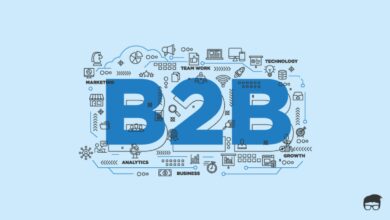
In today’s hyper-competitive business landscape, mastering B2B prime strategies isn’t just an advantage—it’s a necessity. Discover how top companies leverage data, relationships, and innovation to dominate their markets.





Understanding the Core Concept of B2B Prime
The term B2B prime has evolved beyond a simple industry buzzword. It now represents a strategic framework used by leading enterprises to optimize their business-to-business operations, enhance customer acquisition, and streamline supply chain efficiency. At its core, B2B prime refers to the premium tier of B2B services, platforms, or partnerships that deliver superior value, reliability, and scalability.
What Does ‘B2B Prime’ Actually Mean?
The phrase ‘B2B prime’ combines two critical elements: business-to-business (B2B) commerce and the concept of ‘prime’ as in first-tier, high-performance, or elite status. In practical terms, a B2B prime model often implies a vetted, high-trust relationship between suppliers and buyers, where speed, quality, and service levels are guaranteed. This model is especially prominent in industries like logistics, SaaS, manufacturing, and enterprise tech.
It signifies a premium service level agreement (SLA) in B2B transactions.It often includes faster delivery, dedicated support, and priority access to resources.Companies labeled as B2B prime are typically pre-qualified or certified by larger partners or platforms.”B2B prime isn’t just about being first—it’s about being the most reliable, scalable, and trusted partner in the ecosystem.” — Industry Analyst, GartnerOrigins and Evolution of the B2B Prime ModelThe concept gained traction with the rise of digital marketplaces like Amazon Business, Alibaba, and specialized B2B platforms that began offering ‘prime-like’ benefits to corporate buyers.These benefits included expedited shipping, volume discounts, and enhanced procurement tools.
.Over time, the idea expanded beyond logistics to include software integration, API access, and data-driven decision-making capabilities..
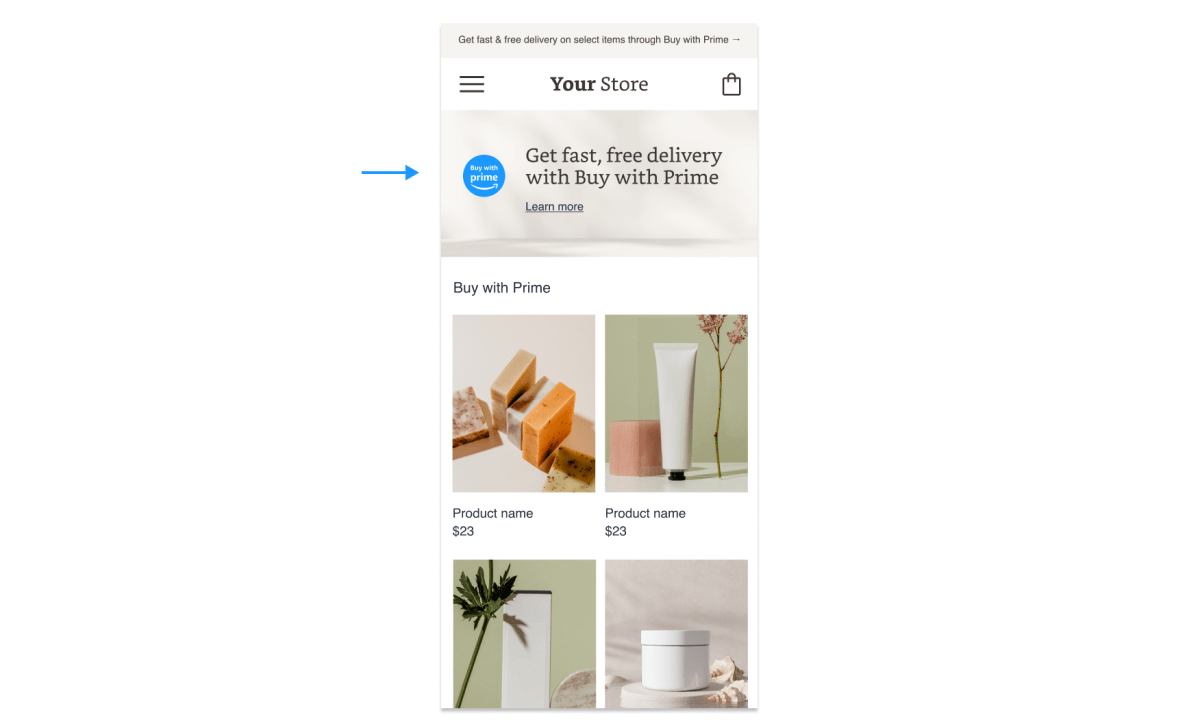
For example, Amazon Business introduced a ‘Business Prime’ program that mirrors the consumer Amazon Prime experience but tailored for enterprise procurement. This shift marked a turning point where B2B relationships began adopting consumer-grade convenience and speed.
Why B2B Prime is Revolutionizing Modern Commerce
The transformation of B2B commerce through the B2B prime model is nothing short of revolutionary. Unlike traditional B2B models that relied on long sales cycles and manual processes, B2B prime emphasizes automation, transparency, and customer-centricity. This shift is driven by evolving buyer expectations, technological advancements, and global supply chain pressures.
Accelerated Decision-Making Cycles
One of the most significant impacts of B2B prime is the compression of sales and procurement timelines. With instant access to product data, real-time inventory, and automated quoting systems, buyers can make decisions faster than ever before. According to a McKinsey report, 70% of B2B buyers now expect Amazon-like experiences, including same-day or next-day delivery options.
- Automated procurement systems reduce approval times by up to 60%.
- Digital catalogs with AI-powered recommendations improve product discovery.
- Integrated payment gateways enable instant transactions.
Enhanced Trust and Credibility
Becoming a recognized B2B prime partner often requires rigorous vetting, performance tracking, and compliance with industry standards. This certification process builds trust between buyers and suppliers. For instance, platforms like ThomasNet or Supply Wisdom offer supplier validation that mirrors the B2B prime ethos—ensuring that only high-performing vendors are featured.
Trust is further reinforced through transparent performance metrics such as on-time delivery rates, defect ratios, and customer satisfaction scores. These KPIs are often publicly displayed on B2B marketplaces, allowing buyers to make informed choices.
“In a world of information overload, B2B prime acts as a trust signal—cutting through the noise and signaling reliability.” — Forbes Insights
Key Components of a Successful B2B Prime Strategy
Building a successful B2B prime strategy requires more than just fast shipping or a sleek website. It demands a holistic approach that integrates technology, customer service, operational excellence, and data intelligence. Below are the foundational pillars that define a true B2B prime operation.
Seamless Digital Integration
Digital integration is the backbone of any B2B prime strategy. This includes API connectivity with ERP systems, e-procurement platforms, and inventory management tools. For example, a manufacturer using SAP can integrate directly with a B2B prime supplier’s platform to automatically reorder raw materials when stock levels dip below a threshold.
- Real-time inventory syncing prevents stockouts and overordering.
- EDI (Electronic Data Interchange) ensures error-free order processing.
- Single sign-on (SSO) capabilities improve user experience and security.
Platforms like Shopify B2B and BigCommerce B2B now offer native tools to support these integrations, making it easier for mid-sized businesses to adopt B2B prime practices.
Customer-Centric Service Models
A B2B prime provider doesn’t just sell products—they deliver experiences. This means offering dedicated account managers, 24/7 support, and personalized pricing models. Some companies even assign customer success teams to ensure clients achieve their business goals using the supplier’s products or services.
For example, Salesforce’s B2B prime-like approach includes onboarding specialists, quarterly business reviews, and custom training modules—all designed to maximize client ROI.
“The best B2B relationships feel like partnerships, not transactions.” — Harvard Business Review
How B2B Prime Transforms Supply Chain Efficiency
The supply chain is where the B2B prime model delivers some of its most tangible benefits. By prioritizing speed, accuracy, and resilience, B2B prime operations reduce lead times, minimize errors, and increase overall operational agility. This is particularly crucial in industries like healthcare, aerospace, and high-tech manufacturing, where delays can cost millions.
Predictive Inventory Management
Using AI and machine learning, B2B prime suppliers can forecast demand with remarkable accuracy. This allows them to pre-position inventory closer to key customers, reducing delivery times and transportation costs. For instance, a medical device distributor might use historical order data to predict which hospitals will need replacement parts in the coming weeks and stock warehouses accordingly.
- Predictive analytics reduce inventory carrying costs by up to 30%.
- Dynamic replenishment systems adjust orders based on real-time usage.
- Blockchain-based tracking enhances transparency across the supply chain.
Companies like IBM Supply Chain are pioneering AI-driven logistics solutions that align perfectly with B2B prime principles.
Vendor-Managed Inventory (VMI) Programs
In a B2B prime environment, VMI programs are common. Here, the supplier takes responsibility for monitoring and replenishing a buyer’s inventory. This not only reduces administrative burden for the buyer but also ensures optimal stock levels at all times.
For example, a semiconductor manufacturer might allow its chemical supplier to manage the storage tanks on-site, automatically refilling them when levels drop. This just-in-time model minimizes waste and improves production continuity.
“Vendor-managed inventory is the silent engine behind B2B prime efficiency.” — Supply Chain Dive
Leveraging Technology to Scale B2B Prime Operations
Technology is the enabler that makes B2B prime scalable and sustainable. From cloud computing to AI-powered analytics, modern tools allow companies to deliver premium services without proportional increases in cost or complexity.
Cloud-Based Procurement Platforms
Cloud platforms like Coupa, Procurify, and Jaggaer provide end-to-end procurement automation, from requisition to payment. These systems integrate with accounting software, enforce spending policies, and provide real-time spend analytics—key features for any B2B prime operation.
- Automated approval workflows reduce processing time by 50%.
- Spend visibility helps identify cost-saving opportunities.
- Supplier performance dashboards enable continuous improvement.
According to a report by Gartner, organizations using cloud procurement tools see a 20-30% reduction in operational costs.
AI and Machine Learning in B2B Prime
AI is transforming how B2B prime companies interact with customers and manage operations. Chatbots handle routine inquiries, predictive analytics forecast demand, and natural language processing (NLP) extracts insights from customer feedback.
For example, a B2B software company might use AI to analyze support tickets and proactively alert customers about potential system issues before they occur. This level of service reinforces the ‘prime’ experience.
“AI doesn’t replace human touch—it enhances it by freeing teams to focus on high-value interactions.” — MIT Sloan Management Review
The Role of Data Analytics in B2B Prime Success
Data is the lifeblood of the B2B prime model. Without accurate, timely, and actionable insights, even the most advanced systems cannot deliver optimal results. Leading B2B prime companies treat data as a strategic asset, using it to drive decisions across sales, marketing, operations, and customer service.
Real-Time Performance Dashboards
Real-time dashboards provide instant visibility into key metrics such as order fulfillment rates, customer satisfaction (CSAT), and inventory turnover. These tools allow managers to identify bottlenecks and respond quickly.
- Live tracking of shipment status improves customer communication.
- Automated alerts notify teams of SLA breaches.
- Customizable reports support executive decision-making.
Tools like Tableau, Power BI, and Looker are widely used to create these dashboards, often integrated directly into CRM and ERP systems.
Predictive Customer Behavior Modeling
By analyzing historical purchasing patterns, website behavior, and engagement metrics, B2B prime companies can predict future customer actions. This enables proactive outreach, personalized marketing, and churn prevention.
For instance, if a client’s login frequency drops and they stop opening emails, the system can flag them as at-risk, prompting a customer success manager to intervene.
“In B2B prime, data doesn’t just inform—it anticipates.” — Salesforce Research
Building a B2B Prime Partnership: Steps to Get Started
Becoming a B2B prime partner or building a B2B prime program within your organization is a strategic journey. It requires alignment across departments, investment in technology, and a relentless focus on customer value. Below are actionable steps to get started.
Assess Your Current Capabilities
Begin with a thorough audit of your existing operations. Evaluate your supply chain, technology stack, customer service model, and data infrastructure. Identify gaps that prevent you from delivering a ‘prime’ experience.
- Conduct a SWOT analysis focused on B2B service delivery.
- Survey customers to understand pain points and expectations.
- Benchmark against competitors who are already B2B prime leaders.
Use frameworks like the APICS Supply Chain Standards to measure performance objectively.
Invest in the Right Technology Stack
No B2B prime strategy can succeed without the right tools. Prioritize investments in cloud ERP, CRM, procurement automation, and analytics platforms. Consider starting with modular solutions that can scale as your needs grow.
For example, a mid-sized distributor might begin with NetSuite for ERP, HubSpot for CRM, and Power BI for analytics—creating an integrated ecosystem that supports B2B prime operations.
“Technology is not the end goal—it’s the foundation upon which B2B prime excellence is built.” — Deloitte Insights
What is B2B prime?
B2B prime refers to a premium tier of business-to-business service that emphasizes speed, reliability, and superior customer experience. It often includes features like expedited delivery, dedicated support, and advanced digital integration, similar to consumer-focused ‘prime’ models like Amazon Prime but tailored for enterprise clients.
How does B2B prime improve supply chain efficiency?
B2B prime improves supply chain efficiency through predictive inventory management, vendor-managed inventory (VMI), real-time tracking, and automated procurement systems. These elements reduce lead times, minimize stockouts, and enhance overall operational agility.
What technologies are essential for a B2B prime strategy?
Essential technologies include cloud-based ERP and CRM systems, procurement automation platforms, AI-driven analytics, and API integrations. These tools enable seamless data flow, real-time decision-making, and scalable service delivery.
Can small businesses adopt B2B prime practices?
Yes, small businesses can adopt B2B prime practices by leveraging affordable SaaS tools, focusing on niche markets, and building strong customer relationships. While they may not have the scale of large enterprises, they can offer personalized, high-touch service that embodies the spirit of B2B prime.
Is B2B prime the same as Amazon Business Prime?
Amazon Business Prime is a specific implementation of the B2B prime concept. While it offers features like fast shipping and business-only pricing, the broader B2B prime model encompasses a wider range of services, including custom integrations, dedicated account management, and predictive analytics across various industries.
Mastering B2B prime is no longer optional for companies aiming to thrive in the modern business ecosystem. It represents a convergence of speed, trust, technology, and customer-centricity that redefines what’s possible in B2B commerce. From optimizing supply chains to leveraging data and AI, the strategies outlined in this article provide a comprehensive roadmap for organizations looking to elevate their operations. Whether you’re a supplier, distributor, or service provider, embracing the B2B prime mindset can unlock new levels of efficiency, growth, and competitive advantage.
Further Reading: