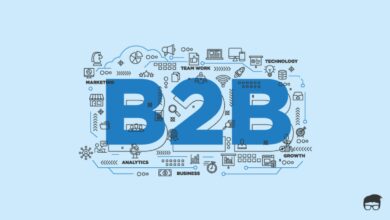
Ever wondered how companies buy and sell in bulk without stepping into a physical market? Welcome to the world of b2b marketplace—a digital revolution reshaping global trade with speed, scale, and smart connections.





What Is a B2B Marketplace and Why It Matters

The term b2b marketplace refers to an online platform where businesses buy and sell goods or services to one another. Unlike B2C (business-to-consumer) platforms like Amazon or Shopee, which target individual shoppers, a b2b marketplace caters to companies looking for bulk orders, long-term contracts, and specialized products or services. These platforms have become essential in modern supply chains, especially as digital transformation accelerates across industries.
According to Grand View Research, the global B2B e-commerce market size was valued at USD 14.9 trillion in 2022 and is expected to grow at a compound annual growth rate (CAGR) of 18.7% from 2023 to 2030. This explosive growth underscores the increasing reliance on digital channels for business procurement and sales.
Core Definition and Functionality
A b2b marketplace functions as a centralized digital hub where suppliers, manufacturers, distributors, and buyers connect. These platforms typically offer product listings, real-time pricing, inventory tracking, order management, and secure payment systems. Some even integrate logistics and financing solutions to streamline the entire transaction process.
For example, a manufacturer in Germany might use a global b2b marketplace to source raw materials from a supplier in Indonesia, negotiate terms, place an order, and arrange shipping—all within a single digital interface. This eliminates the need for lengthy email chains, phone calls, and manual paperwork.
- Acts as a digital intermediary between businesses
- Supports bulk transactions and customized pricing
- Facilitates end-to-end procurement and sales workflows
How It Differs from B2C Platforms
While both B2B and B2C marketplaces operate online, their models differ significantly. B2C platforms focus on impulse buying, user-friendly interfaces, and fast delivery for individual consumers. In contrast, a b2b marketplace emphasizes relationship-building, complex pricing structures (like volume discounts), and longer sales cycles.
For instance, a customer on a B2C site might buy one laptop with a credit card and receive it the next day. On a B2B platform, a company might negotiate a six-month contract for 500 laptops with customized configurations, extended warranties, and net-30 payment terms.
“B2B commerce isn’t just about transactions—it’s about trust, scalability, and long-term partnerships.” — McKinsey & Company
Top 7 Types of B2B Marketplaces
Not all b2b marketplaces are created equal. They vary based on industry focus, geographic reach, business model, and level of specialization. Understanding these types helps businesses choose the right platform for their needs.
Vertical vs. Horizontal Marketplaces
One of the primary distinctions in the b2b marketplace ecosystem is between vertical and horizontal platforms. Vertical marketplaces focus on a specific industry, such as healthcare, construction, or agriculture. Examples include Medline Supply Chain Solutions for medical supplies or FarmLead for grain trading.
Horizontal marketplaces, on the other hand, serve multiple industries. They offer a wide range of products like office supplies, packaging materials, or industrial tools. Alibaba.com is a prime example of a horizontal b2b marketplace, catering to everything from electronics to textiles.
- Vertical: Deep industry expertise, niche suppliers, tailored solutions
- Horizontal: Broad product range, cross-industry accessibility, higher competition
Global vs. Regional Platforms
Global b2b marketplaces like Alibaba, Global Sources, and ThomasNet enable businesses to trade across borders. These platforms often support multiple languages, currencies, and international shipping options. They’re ideal for companies looking to expand overseas or source materials from low-cost regions.
Regional platforms, such as IndiaMART in South Asia or Kompass in Europe, focus on local or regional trade. They often have better compliance with local regulations, faster delivery times, and stronger relationships with domestic suppliers.
Choosing between global and regional depends on your supply chain strategy, logistics capabilities, and target markets.
Private vs. Public Marketplaces
Private b2b marketplaces are invitation-only platforms operated by large enterprises for their suppliers and partners. For example, Walmart’s Supplier Exchange is a private portal where vendors manage orders, invoices, and compliance documents. These platforms enhance control, security, and integration with internal ERP systems.
Public marketplaces, like Amazon Business or EC21, are open to any registered business. They offer greater visibility and access to a wider customer base but come with more competition and less control over branding.
- Private: Controlled access, higher trust, seamless integration
- Public: Open registration, broader reach, competitive pricing
Key Benefits of Using a B2B Marketplace
Adopting a b2b marketplace model offers numerous advantages for both buyers and sellers. From cost savings to market expansion, these platforms are redefining how businesses operate in the digital age.
Increased Market Reach and Visibility
For suppliers, joining a b2b marketplace instantly expands their customer base. Instead of relying on cold calls or trade shows, vendors can showcase their products to thousands of potential buyers worldwide. Platforms like Alibaba report over 20 million active buyers, giving even small manufacturers global exposure.
Buyers benefit too—they can discover new suppliers they might never have found through traditional channels. This is especially valuable for sourcing rare materials or finding alternatives during supply chain disruptions.
Cost and Time Efficiency
Traditional procurement involves lengthy RFQ (Request for Quotation) processes, multiple meetings, and manual negotiations. A b2b marketplace automates much of this. Buyers can compare prices, read reviews, and place orders in minutes.
For sellers, it reduces marketing and sales overhead. Instead of maintaining a large sales team, they can manage customer relationships through the platform’s built-in tools.
- Reduces procurement cycle time by up to 50%
- Lowers transaction costs through automation
- Minimizes administrative burden
“Companies using digital procurement platforms report 20–30% lower operational costs.” — Deloitte Insights
Challenges and Risks in B2B Marketplaces
Despite their advantages, b2b marketplaces are not without challenges. Businesses must navigate issues related to trust, competition, and platform dependency.
Trust and Quality Assurance
One of the biggest concerns in a b2b marketplace is verifying supplier credibility. Unlike established business relationships, transactions on open platforms carry risks of fraud, substandard products, or delivery failures.
To mitigate this, leading platforms implement verification systems. Alibaba, for example, offers Trade Assurance—a service that protects buyers if suppliers fail to meet order requirements. Similarly, ThomasNet verifies suppliers’ certifications and capabilities.
Still, buyers must conduct due diligence, request samples, and use escrow services when possible.
Price Competition and Margin Pressure
While increased competition benefits buyers, it can squeeze supplier margins. On public b2b marketplaces, price transparency often leads to bidding wars, especially for commoditized products.
Suppliers must differentiate through value-added services, quality, or customization rather than competing solely on price. Building a strong brand presence and customer reviews can help maintain profitability.
Platform Dependency and Data Control
Relying heavily on a single b2b marketplace can be risky. If the platform changes its fee structure, algorithm, or terms of service, it can impact a business’s sales overnight.
Moreover, businesses may lose control over customer data. Most platforms restrict access to buyer information, making it difficult to build direct relationships or run independent marketing campaigns.
- High dependency increases vulnerability to policy changes
- Limited data access hinders long-term customer engagement
- Switching costs between platforms can be high
How to Choose the Right B2B Marketplace for Your Business
Selecting the right b2b marketplace requires careful evaluation of your business goals, industry, and operational needs. Not every platform is suitable for every company.
Assess Your Industry and Product Fit
Start by identifying whether your product fits better on a vertical or horizontal marketplace. If you sell specialized industrial valves, a niche platform like Engineering360 or ThomasNet might be more effective than a generalist site.
Research the types of buyers active on the platform. Are they distributors, OEMs, or end-users? Understanding your audience helps you tailor your listings and pricing strategy.
Evaluate Platform Features and Integration
Look beyond basic listing capabilities. Does the platform integrate with your ERP, CRM, or inventory management system? Can you automate order processing and invoicing?
Platforms like SAP Ariba and Coupa offer deep integration with enterprise software, enabling seamless data flow. Others may require manual updates, increasing operational workload.
- Check API availability and compatibility
- Test order fulfillment workflows
- Review customer support and onboarding process
Analyze Fees, Contracts, and Scalability
Most b2b marketplaces charge fees—either as a commission per sale, a subscription, or a listing fee. Understand the cost structure clearly before committing.
Some platforms offer tiered pricing based on sales volume, which can be beneficial as your business grows. Others may lock you into long-term contracts with limited flexibility.
Consider scalability: Can the platform support your growth? Will it help you enter new markets or handle increased order volume?
“The best marketplace for you isn’t the biggest—it’s the one that aligns with your business model and growth trajectory.” — Gartner
Leading B2B Marketplaces You Should Know
The global b2b marketplace landscape is vast and diverse. Here are some of the most influential platforms shaping the industry.
Alibaba.com: The Global Giant
No discussion of b2b marketplaces is complete without mentioning Alibaba.com. Founded in 1999, it connects millions of suppliers, primarily from China, with buyers worldwide. It dominates in categories like electronics, machinery, and textiles.
Alibaba offers tools like Trade Assurance, supplier verification, and logistics support. Its annual Singles’ Day event has expanded to B2B, generating billions in sales.
Visit Alibaba.com to explore its vast supplier network.
Amazon Business: The Corporate Retailer
Leveraging its e-commerce dominance, Amazon launched Amazon Business in 2015 to serve enterprise buyers. It offers business-only pricing, tax-exempt shopping, and multi-user accounts with spending controls.
With over 10 million businesses served globally, Amazon Business is particularly strong in office supplies, MRO (maintenance, repair, operations), and IT equipment.
Learn more at Amazon Business.
SAP Ariba: The Enterprise Network
SAP Ariba is a B2B network designed for large enterprises. It focuses on procurement automation, supplier collaboration, and supply chain visibility. Over 4 million companies use Ariba to manage $3.3 trillion in commerce annually.
Unlike open marketplaces, Ariba emphasizes secure, compliant transactions within a trusted network. It integrates seamlessly with SAP’s ERP systems, making it ideal for Fortune 500 companies.
Explore SAP Ariba for enterprise-grade solutions.
Future Trends Shaping the B2B Marketplace Landscape
The b2b marketplace is evolving rapidly, driven by technology, changing buyer expectations, and global economic shifts. Staying ahead requires awareness of emerging trends.
Rise of AI and Personalization
Artificial intelligence is transforming how buyers discover products. AI-powered recommendation engines, like those used by Amazon Business, suggest relevant items based on past purchases, industry trends, and peer behavior.
Chatbots and virtual assistants are also improving customer service, handling inquiries 24/7 and guiding buyers through complex procurement decisions.
Integration of Blockchain for Trust
Blockchain technology is being piloted to enhance transparency and traceability in b2b marketplaces. By recording every transaction on an immutable ledger, blockchain can verify product authenticity, track shipments, and ensure contract compliance.
For example, IBM and Maersk’s TradeLens platform uses blockchain to digitize global shipping, reducing fraud and delays.
Sustainability and Ethical Sourcing
Buyers are increasingly demanding sustainable and ethically sourced products. B2B marketplaces are responding by introducing green certifications, carbon footprint labels, and supplier sustainability scores.
Platforms like EcoVadis and SupplyShift help companies assess their suppliers’ environmental and social performance, aligning procurement with ESG (Environmental, Social, and Governance) goals.
- 67% of procurement leaders say sustainability is a top criterion in supplier selection (Source: CIPS)
- Green marketplaces are emerging in sectors like renewable energy and circular economy
“Sustainability is no longer a nice-to-have—it’s a competitive necessity in B2B commerce.” — World Economic Forum
What is a b2b marketplace?
A b2b marketplace is an online platform where businesses buy and sell goods and services to each other, enabling efficient procurement, supplier discovery, and digital transactions at scale.
How does a b2b marketplace differ from B2C?
Unlike B2C platforms that target individual consumers with simple transactions, a b2b marketplace focuses on bulk orders, negotiated pricing, long-term contracts, and complex supply chain needs.
Are b2b marketplaces safe for transactions?
Most reputable b2b marketplaces offer security features like supplier verification, escrow services, and fraud protection. However, buyers should still perform due diligence and use secure payment methods.
Can small businesses benefit from b2b marketplaces?
Absolutely. Small businesses can use b2b marketplaces to access global buyers, reduce sales costs, and compete with larger suppliers by showcasing niche products or superior service.
What are the top trends in b2b marketplaces?
Key trends include AI-driven personalization, blockchain for supply chain transparency, sustainability-focused sourcing, and deeper ERP integrations for seamless operations.
The b2b marketplace is no longer a futuristic concept—it’s the backbone of modern business commerce. From global giants like Alibaba to specialized networks like SAP Ariba, these platforms are making trade faster, smarter, and more accessible. While challenges like trust and competition remain, the benefits of expanded reach, cost efficiency, and digital integration are undeniable. As AI, blockchain, and sustainability reshape the landscape, businesses that embrace the b2b marketplace model will lead the next wave of industrial innovation. The future of B2B isn’t just online—it’s interconnected, intelligent, and unstoppable.
Further Reading: